How Artificial Intelligence Is Transforming Auto Repair Shops — From Diagnostics to Customer Service
Artificial intelligence (AI) is no longer a science-fiction concept—today, it is present at every level of the automotive industry. From vehicles equipped with advanced driver-assistance systems to repair shops optimizing their operations with intelligent algorithms, this technology is redefining the way teams work, diagnose, and interact with customers.
In modern workshops, AI has become a strategic ally for boosting productivity, reducing errors, and making decisions based on real data. With its ability to analyze information and automate processes, it enables teams to work with greater precision and efficiency, maximizing every minute spent in the service area.
Predictive Diagnostics: Identifying Issues Before They Appear
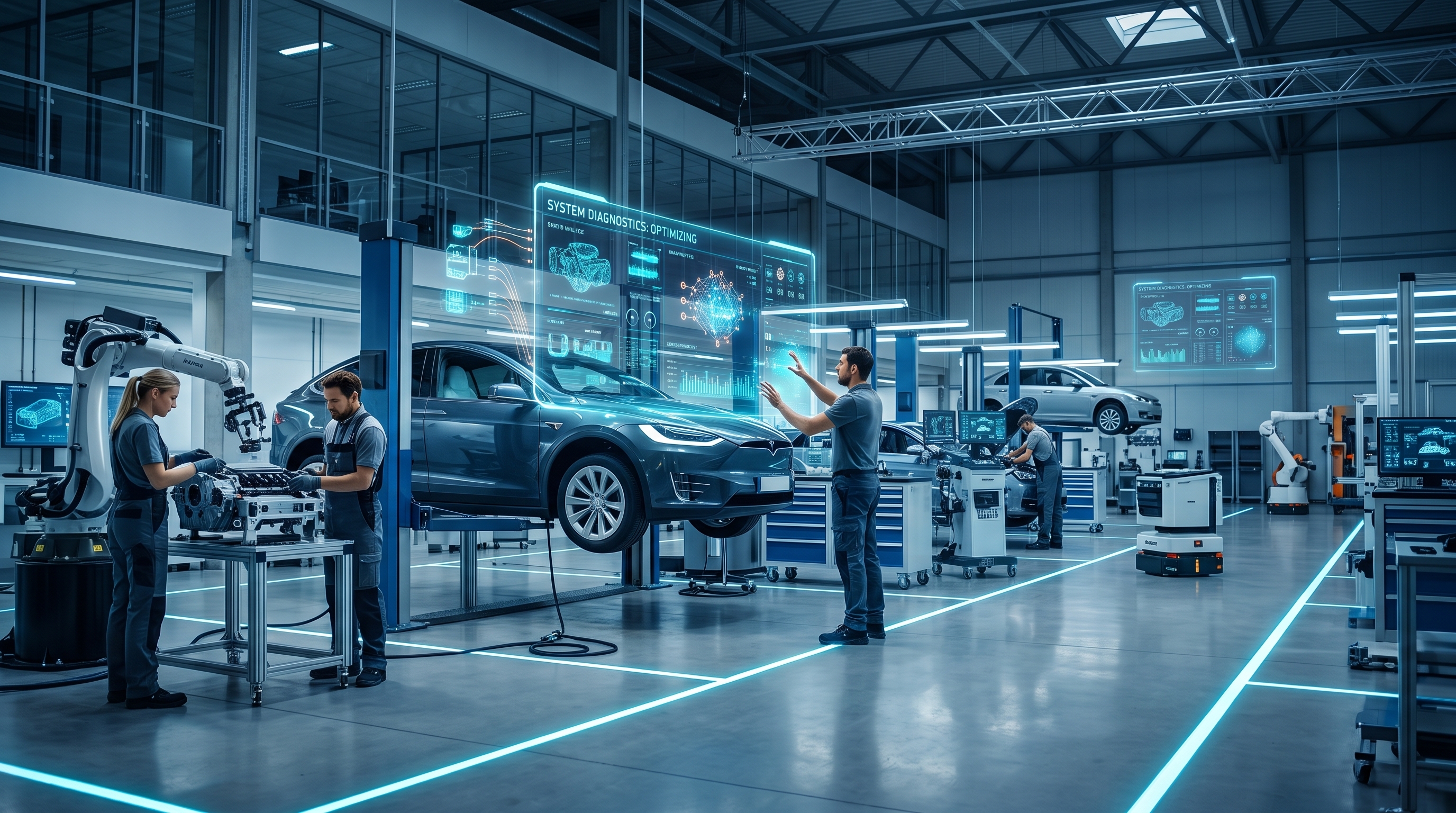
One of the most valuable applications of AI in auto repair shops is predictive diagnostics. By analyzing data from vehicle sensors, intelligent systems can detect behavioral patterns that indicate potential failures before they occur.
This allows the workshop to schedule preventive maintenance ahead of time, reducing repair durations, unexpected costs, and rework. It also strengthens customer trust, as they receive proactive service backed by technical evidence.
Administrative Automation: Fewer Manual Tasks, More Focus on Technical Work
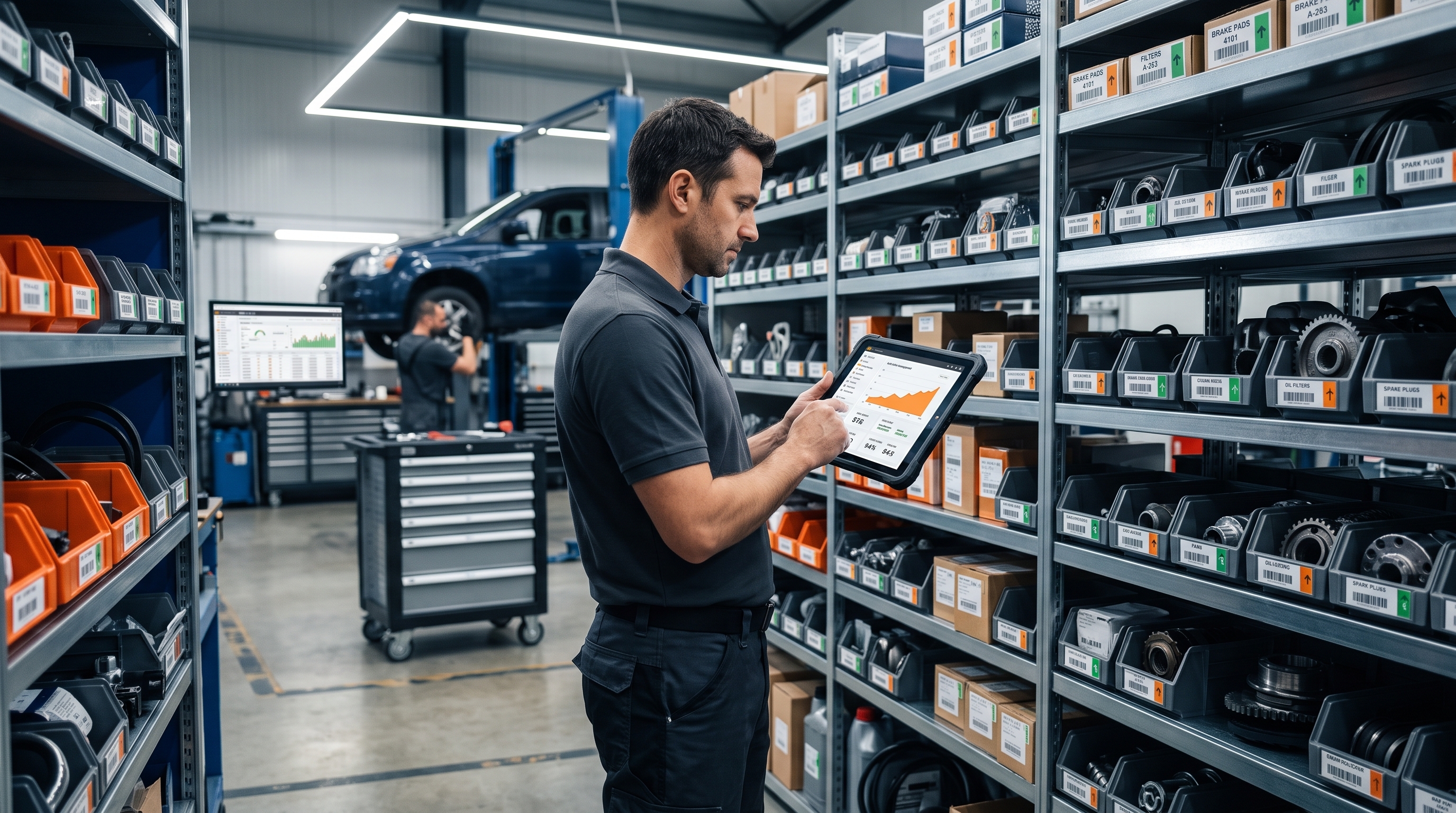
Digitalization and automation are the cornerstones of modern efficiency. Today’s specialized platforms allow shops to manage work orders, inventory, estimates, and follow-ups in a centralized manner, eliminating the need for paper and scattered records.
AI-powered tools help eliminate human error, streamline workflows, and free up time for higher-value tasks, such as technical oversight or personalized customer service. In an environment where every minute counts, automation becomes synonymous with productivity.
Smart Customer Service: Continuous Communication With Clients
AI is also transforming the customer experience in workshops. Through virtual assistants and chatbots, shops can provide 24/7 support, answer frequently asked questions, schedule appointments, or send automatic service reminders.
These tools strengthen communication, enhance overall customer experience, and increase loyalty. In practice, an informed and well-supported customer is a customer who comes back.
Data Analysis: Making Decisions Based on Real Information
Another major advantage of AI is its ability to process and analyze large volumes of data. In a workshop, this enables insights such as: which services are requested most often, which parts have the highest turnover, or what types of failures are most common by brand or vehicle model.
With this information, shop owners and managers can make more strategic decisions regarding purchasing, promotions, and service planning, ultimately improving the overall profitability of the business.
Human Expertise Enhanced by Technology
Artificial intelligence is not meant to replace technicians—it’s meant to empower them. Mechanics can rely on intelligent systems that suggest inspections, recommend procedures, or simulate repair scenarios. This reduces errors, speeds up work, and raises service quality.
Instead of diminishing human value, AI elevates it—allowing every team member to focus on what truly matters: solving problems accurately and earning customer trust.
AI as the Engine of Workshop Evolution
The incorporation of artificial intelligence in auto repair shops represents a shift in mindset. It’s no longer just about fixing cars; it’s about managing information, anticipating needs, and optimizing resources.
Adopting data-driven, technology-supported practices is a solid step toward the future of automotive service. In this new environment, AI does not replace the mechanic’s experience—it complements it and amplifies it, making it possible to run a workshop that is faster, more organized, and more competitive.